
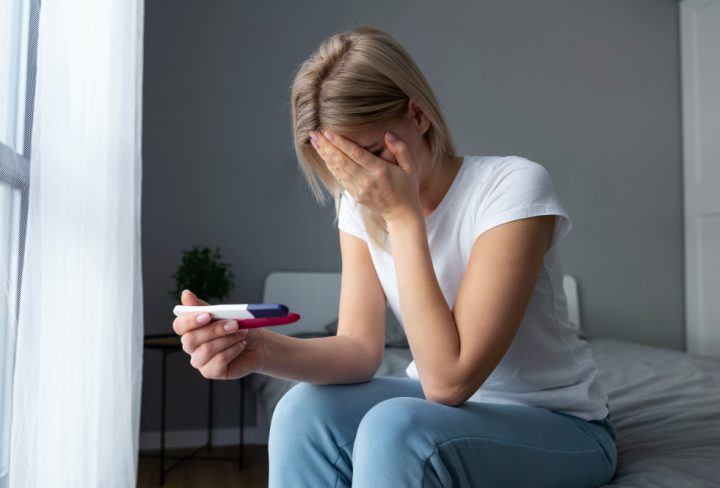
Introduction to Female Infertility
Many women want to know the causes of female infertility. Infertility means not being able to get pregnant after trying for a year. According to the World Health Organization (WHO), about 1 in 6 people worldwide face infertility at some point. For women, there are many reasons why pregnancy may not happen. In this guide, you will learn about the common reasons for female infertility, risk factors, and when to seek help.
Common Causes of Female Infertility
There are several causes of female infertility. Some are related to health problems, while others involve lifestyle or age. Understanding these reasons can help women make informed choices. Below are the most common causes:
Each of these factors can affect a woman’s ability to become pregnant. Let’s look at them in more detail.
Hormonal Disorders
Hormones control the monthly cycle and release of eggs. If hormones are not balanced, ovulation may not happen. For example, polycystic ovary syndrome (PCOS) is a common cause. PCOS can lead to irregular periods and missed ovulation. Another hormonal problem is thyroid disease, which can also affect fertility. Sometimes, high levels of a hormone called prolactin can stop ovulation. Because hormones play a big role, even small changes can make a difference.
Structural Problems
Sometimes, the shape or health of the reproductive organs can cause infertility. For instance, blocked fallopian tubes can stop the egg from meeting the sperm. This blockage can happen after infections, surgery, or conditions like endometriosis. Uterine fibroids, which are non-cancerous growths, may also make pregnancy harder. In rare cases, birth defects in the uterus or cervix can be a reason. If you have pain, heavy periods, or past infections, it is wise to talk to a doctor.
Lifestyle and Environmental Factors
Everyday habits can affect fertility. For example, smoking and drinking alcohol lower the chances of getting pregnant. Being overweight or underweight can also cause problems with ovulation. Stress, poor diet, and lack of exercise may play a role. In addition, exposure to harmful chemicals at work or home can impact fertility. Making healthy choices can improve your chances.
Age and Fertility
Age is a key factor in female infertility. As women get older, the number and quality of eggs decrease. After age 35, fertility drops more quickly. According to the CDC, women in their late 30s and 40s have a lower chance of getting pregnant. Because of this, age is one of the most important female infertility risk factors. If you are over 35 and have trouble conceiving, seek help sooner.
When to See a Doctor
It is normal to have questions about why women face infertility. If you have tried to get pregnant for a year without success, see a doctor. Women over 35 should seek help after six months of trying. Also, see a doctor sooner if you have:
Early help can improve your chances of finding a solution.
Prevention and Healthy Habits
While not all causes of female infertility can be prevented, some steps can lower your risk. For example, regular check-ups help catch problems early. Eating well, staying active, and avoiding harmful substances support overall health. Managing stress and keeping a healthy weight are also important. If you have questions, talk to a healthcare provider for advice tailored to you.
Conclusion
In summary, many factors can lead to female infertility. These include hormonal issues, structural problems, lifestyle choices, and age. Understanding the common reasons for female infertility can help you take action. If you are concerned, consult a healthcare specialist for personalized advice on female infertility.