What Is Endometriosis?
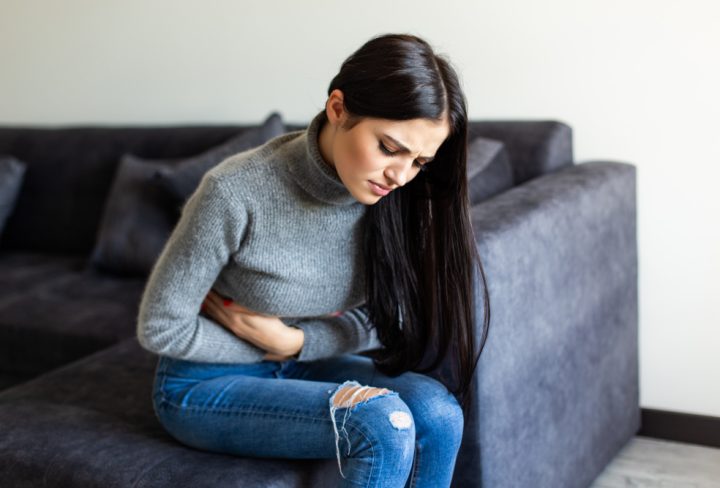
Endometriosis is a health condition where tissue, similar to the lining inside the uterus, grows outside it. This tissue can cause pain, swelling, and other problems. Although it mostly affects women of childbearing age, anyone with a uterus can get it. Because the tissue reacts to hormones, symptoms often get worse during periods. While there is no cure, many people find relief by making healthy lifestyle changes. For example, diet can play a big role in managing endometriosis symptoms.
Common Symptoms of Endometriosis
Endometriosis can cause a range of symptoms. However, not everyone experiences the same signs. Some common symptoms include:
Because these symptoms can be similar to other conditions, it is important to talk to a doctor for a proper diagnosis.
The Link Between Diet and Endometriosis
Many people wonder if what they eat can affect endometriosis. Research suggests that diet may help manage symptoms. For instance, some foods can reduce inflammation, which is a key part of endometriosis. Others may make symptoms worse. Although diet alone cannot cure endometriosis, it can support overall health and comfort. According to the World Health Organization and recent studies, a balanced diet can help lower pain and improve quality of life.
Foods That May Help Improve Endometriosis Symptoms
Choosing the right foods can make a difference. Here are some foods for endometriosis relief:
In addition, drinking enough water each day can help reduce bloating and keep you hydrated.
Foods to Avoid with Endometriosis
Some foods may make endometriosis symptoms worse. It is wise to limit or avoid:
Because everyone is different, it helps to keep a food diary. This way, you can track which foods affect your symptoms.
Sample Diet Tips and Meal Ideas
Making small changes can lead to big results. Here are some easy nutrition tips for endometriosis:
For a simple endometriosis diet plan, focus on fresh, whole foods. Try to eat a variety of colors and types each day.
Lifestyle Guidance for Managing Endometriosis
Besides diet, other lifestyle habits can help manage endometriosis. For example, regular exercise can lower pain and boost mood. Gentle activities like walking, yoga, or swimming are good choices. Also, getting enough sleep each night helps your body heal. Stress can make symptoms worse, so try deep breathing or meditation. Because support matters, talking to friends or joining a support group can help you feel less alone.
Prevention and Long-Term Management
While you cannot always prevent endometriosis, healthy habits can make a difference. Eating a balanced diet, staying active, and managing stress all support long-term health. In addition, regular check-ups with your doctor can help catch problems early. If you notice new or worsening symptoms, seek medical advice right away. Remember, managing endometriosis is a journey, but small steps can lead to better days.
Consult a healthcare professional or registered dietitian for personalized dietary advice on managing endometriosis.