
What is Cervical Cancer?
Cervical cancer starts in the cells of the cervix. The cervix is the lower part of the uterus, which connects to the vagina. Most cases develop slowly over many years. Often, early changes in the cervix do not cause symptoms. However, regular checks can find these changes before they turn into cancer.
Common symptoms of cervical cancer may include:
Still, many women do not notice symptoms until the disease is advanced. Therefore, screening is very important.
Why Prevention Matters
Cervical cancer prevention saves lives. According to the World Health Organization (WHO), almost all cervical cancers are linked to a virus called HPV. With early screening and HPV vaccination, most cases can be prevented. In fact, regular checks and vaccines have lowered rates of cervical cancer in many countries.
When you take steps to prevent cervical cancer, you protect your health and your family’s well-being. Early action means better outcomes and fewer worries later.
Cervical Cancer Screening: Methods and Recommendations
Screening helps find changes in the cervix before cancer develops. There are two main tests used for cervical cancer prevention:
For most women, guidelines suggest:
However, your doctor may suggest a different schedule based on your health. Always ask what is best for you.
Understanding HPV and Its Role in Cervical Cancer
HPV stands for human papillomavirus. It is a common virus passed through skin-to-skin contact, often during sex. In fact, most people will get HPV at some point in their lives. Usually, the body clears the virus on its own. But sometimes, certain types of HPV stay in the body and cause changes in the cervix. Over time, these changes can lead to cancer.
There are more than 100 types of HPV. However, only a few types cause most cases of cervical cancer. Because HPV is so common, regular screening is important even if you feel healthy.
HPV Vaccination: Who Should Get It and When
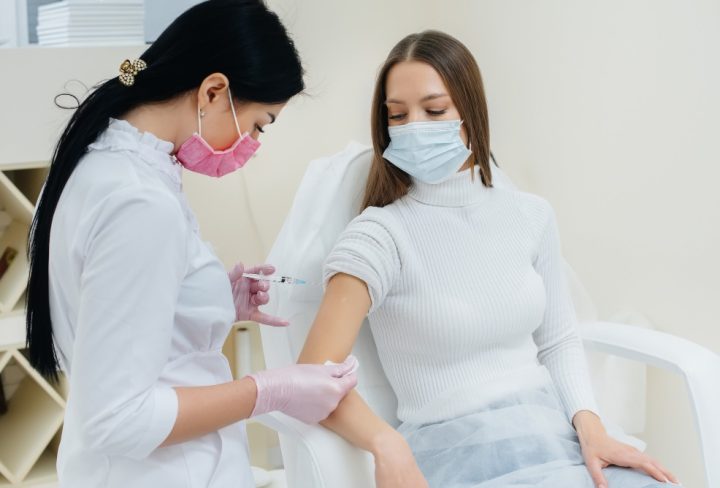
The HPV vaccine protects against the types of HPV that cause most cervical cancers. The Centers for Disease Control and Prevention (CDC) recommends the vaccine for:
For best results, the vaccine should be given before any exposure to HPV. Even so, older teens and adults can still benefit. The vaccine is safe and has been shown to lower the risk of cervical cancer. In many places, the HPV vaccine is part of routine school health programs.
Lifestyle Tips for Cervical Health
Besides screening and vaccination, healthy habits also help prevent cervical cancer. For example, you can:
While these steps do not replace screening or vaccination, they add extra protection for your health.
Frequently Asked Questions About Cervical Cancer Prevention
Is cervical cancer common?
While cervical cancer rates have dropped in many countries, it still affects thousands of women each year. Prevention and early detection are key.
Does the HPV vaccine have side effects?
Most people have only mild side effects, such as a sore arm or mild fever. Serious side effects are very rare.
Can I get cervical cancer if I have had the HPV vaccine?
Although the vaccine protects against most cancer-causing types of HPV, it does not cover all types. Therefore, regular screening is still important.
Do men need the HPV vaccine?
Yes, men can also get HPV and related cancers. The vaccine helps protect both men and women.
How can I lower my risk of cervical cancer?
Get regular Pap smears, receive the HPV vaccine, and follow healthy lifestyle tips. These steps work together for strong cervical cancer prevention.